


-

Add: HeBei ShengShi HongBang Cellulose Technology CO.,LTD.
-

Email
13180486930@163.com -

CONTACT US
+86 13180486930

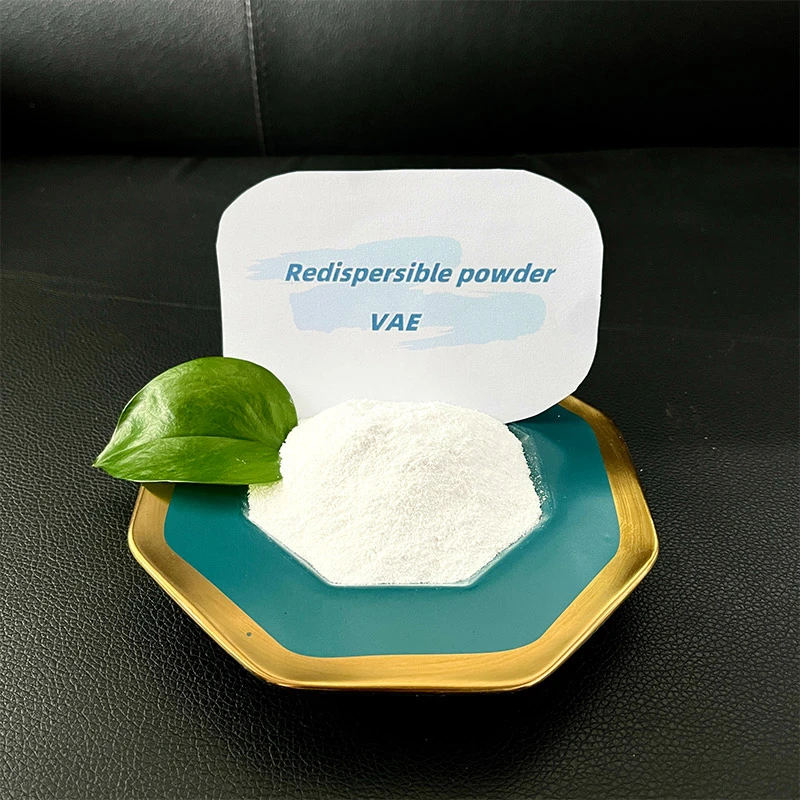
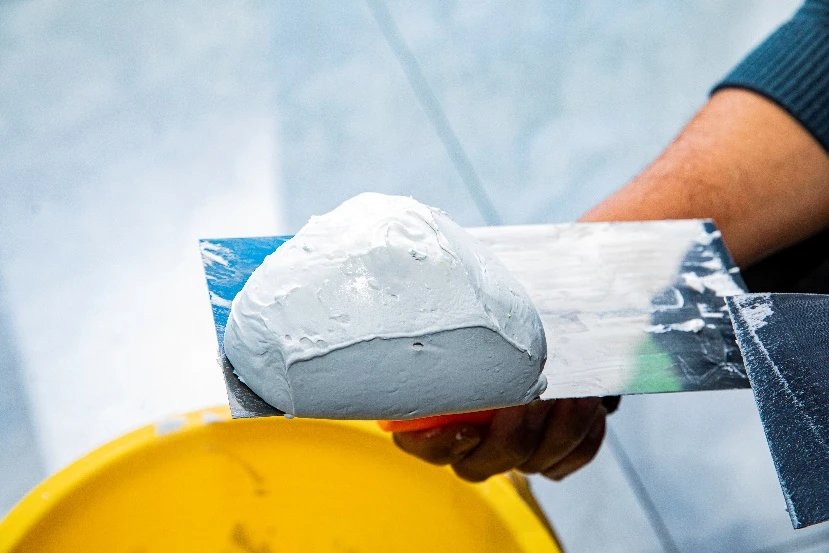
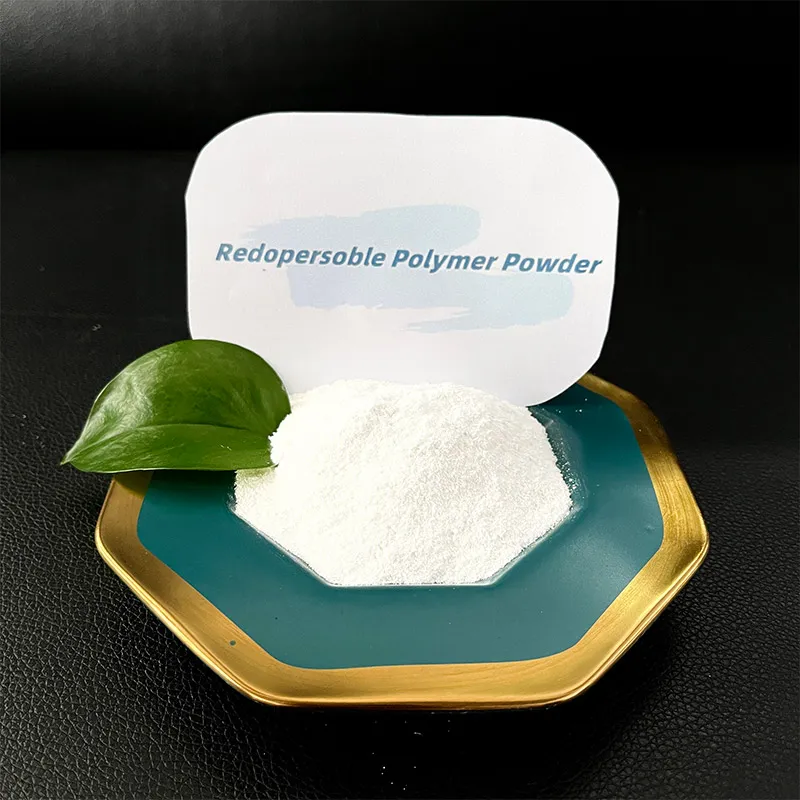




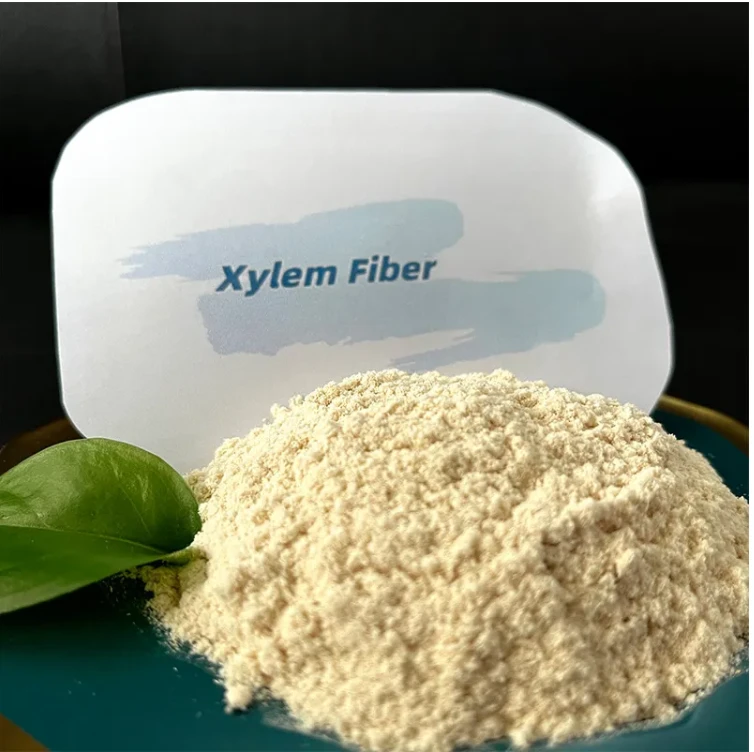
Xylem fiber , a natural and renewable resource derived from wood, has gained significant attention in various industries due to its eco-friendly attributes and versatility. This organic flocculent fiber material undergoes a series of chemical treatments and mechanical processing, transforming it into a high-quality product suitable for an array of applications. In this article, we will explore the features, advantages, technical specifications, and applications of Xylem fiber , as well as the background of the company behind this innovative material. Understanding Xylem Fiber Xylem fiber is a type of natural fiber extracted from the xylem tissue of trees, which is responsible for transporting water and nutrients from the roots to the leaves. This fiber is processed through advanced chemical and mechanical techniques to enhance its properties, making it suitable for various industrial applications. The production process ensures that the fiber retains its natural characteristics while improving its strength, durability, and adaptability to different environments. The unique properties of Xylem fiber make it an attractive alternative to traditional synthetic fibers. Unlike synthetic materials, which often have a significant environmental impact, Xylem fiber is biodegradable and contributes to a circular economy. This makes it a preferred choice for industries aiming to reduce their carbon footprint and promote sustainable practices. Key Features and Advantages Xylem fiber offers several key features and advantages that make it a valuable material in various applications. One of its primary advantages is its ability to enhance the properties of construction materials such as concrete and mortar. When incorporated into these materials, Xylem fiber improves their strength and durability, making them more resistant to cracking and wear. This is particularly important in the construction industry, where the longevity of materials is crucial. Additionally, Xylem fiber is used in the production of gypsum products, where it enhances structural integrity and workability. The fiber's absorbent properties also make it suitable for manufacturing wood pulp sponges, providing a biodegradable alternative in cleaning and household applications. In the asphalt industry, Xylem fiber acts as a reinforcing agent, improving the resilience and longevity of asphalt roads. The versatility of Xylem fiber extends to the manufacturing of medium density fiberboard (MDF), where it serves as a key ingredient. This results in the production of sturdy and sustainable building materials that are increasingly being adopted in the home-building sector. As the demand for environmentally friendly building materials continues to rise, the use of Xylem fiber aligns seamlessly with the goals of sustainability and responsible resource management. Technical Specifications Parameter Details Material Source Wood xylem tissue Processing Method Chemical treatments and mechanical processing Key Properties High strength, durability, biodegradability, absorbency Applications Concrete, mortar, gypsum products, asphalt, MDF, wood pulp sponges Environmental Impact Low carbon footprint, supports sustainable forestry practices Applications in Various Industries Xylem fiber has found its way into numerous industries, each leveraging its unique properties to enhance product performance. In the construction sector, the integration of Xylem fiber into concrete and mortar mixes not only improves their mechanical properties but also contributes to environmental sustainability. By reducing the need for traditional raw materials, Xylem fiber helps lower the overall environmental impact of construction projects. In the production of gypsum products, Xylem fiber enhances the structural integrity and workability of the final product, making it a preferred choice for manufacturers. The fiber's absorbent properties also make it ideal for the manufacturing of wood pulp sponges, which are used in various cleaning and household applications. These sponges offer a biodegradable alternative to synthetic sponges, addressing the growing demand for eco-friendly products. The asphalt industry benefits from the use of Xylem fiber as a reinforcing agent. By improving the resilience and longevity of asphalt roads, Xylem fiber contributes to the development of more durable infrastructure. This is particularly important in regions with extreme weather conditions, where the performance of road materials is critical. In the manufacturing of medium density fiberboard (MDF), Xylem fiber plays a crucial role in producing sturdy and sustainable building materials. These materials are increasingly being adopted in the home-building sector, where the demand for eco-friendly products is on the rise. The use of Xylem fiber in MDF not only enhances the quality of the product but also supports the transition towards more sustainable construction practices. Company Background: HeBei ShengShi HongBang Cellulose Technology CO.,LTD. HeBei ShengShi HongBang Cellulose Technology CO.,LTD. is a leading company in the production and supply of Xylem fiber and other cellulose-based products. With a commitment to sustainability and innovation, the company has established itself as a key player in the industry. Their expertise in processing natural fibers ensures that their products meet the highest standards of quality and performance. The company's mission is to provide environmentally friendly solutions that meet the evolving needs of various industries. By leveraging the natural properties of Xylem fiber , HeBei ShengShi HongBang Cellulose Technology CO.,LTD. contributes to the development of sustainable building materials and other products that align with global environmental goals. Their dedication to responsible forestry practices further supports ecosystem balance and the fight against climate change. For more information about Xylem fiber and the products offered by HeBei ShengShi HongBang Cellulose Technology CO.,LTD. , visit their official website at Xylem Fiber Product Page . Conclusion Xylem fiber represents a significant advancement in the use of natural resources for modern applications. Its versatility, eco-friendly attributes, and ability to enhance product performance make it a valuable material across various industries. As the demand for sustainable solutions continues to grow, Xylem fiber is poised to play a crucial role in the transition towards greener technologies and practices. The integration of Xylem fiber into construction, manufacturing, and other sectors not only addresses environmental concerns but also drives innovation in product development. With the support of companies like HeBei ShengShi HongBang Cellulose Technology CO.,LTD. , the future of Xylem fiber looks promising, offering economic, environmental, and social benefits for all stakeholders involved. References Source: National Institute of Standards and Technology (NIST) (https://www.nist.gov/)
- 40000tons

Production
- 20+years

Experience
- 5000+㎡

Acreage

-
In the ever-evolving construction sector, the choice of materials can significantly impact the quality and efficiency of projects. One such pivotal component is Hydroxypropyl Methylcellulose (HPMC). Distinguished in the construction industry for its versatility and reliability, HPMC is a compound that deserves the spotlight for several compelling reasons. Firstly, HPMC plays a critical role in enhancing the performance of building materials. Its application ranges from serving as a crucial additive in mortar to its influence in tile adhesives and joint fillers. HPMC's unique chemical composition enhances their water retention capacity and workability. This means that when HPMC is added to construction mixes, it helps maintain moisture levels, ensuring the mix remains workable for a longer period. Such a property is invaluable, especially in large-scale projects where timing and precision are paramount. Moreover, professionals in the construction industry have consistently lauded HPMC for its ability to improve the cohesiveness and plasticity of mortars. By preventing segregation of sand and cement, it assures uniform consistency throughout the application. This trait not only streamlines the application process but also guarantees a superior finish, thereby enhancing the overall structural integrity and aesthetic appeal of the construction work. Expertise in employing HPMC correctly can provide construction companies with a competitive edge . It is crucial for practitioners to understand the specific requirements of their projects to tailor the use of HPMC accordingly. For instance, variations in temperature and humidity can affect HPMC's performance, thus necessitating adjustments in formulation to optimize results. This calls for a comprehensive understanding of both environmental conditions and the chemical properties of HPMC, showcasing a blend of expertise and adaptability. construction hpmc In terms of trustworthiness and credibility, HPMC stands out due to its consistent performance across countless projects worldwide. Its stable chemical properties mean that it does not react adversely with other materials, making it a safe choice in various construction scenarios. Construction professionals continue to rely on HPMC's proven track record, highlighting its role not merely as an additive, but as a critical component in delivering durable and high-quality construction outputs. Furthermore, research and development initiatives have continually improved the quality and applications of HPMC in construction. This ongoing innovation is driven by feedback and the practical experiences of industry veterans, ensuring that HPMC adapts to meet new challenges and regulatory standards. As a result, construction professionals can remain confident in its efficacy and can anticipate that HPMC will continue to evolve, delivering solutions that align with emerging construction trends and technologies. To encapsulate the role of HPMC in the construction industry is to acknowledge its foundational contribution to the quality and efficiency of modern building practices. Its benefits are endorsed by both empirical data and the endorsements of industry experts. For construction companies seeking to enhance the quality of their work while optimizing resource allocation, HPMC represents not just a product, but a strategic asset that supports sustainable growth and innovation in an increasingly competitive market.
-

Hydroxypropyl methylcellulose, popularly branded as HPMC Methocel, is an indispensable additive in various industries, celebrated for its unique properties and versatility. Delving into the realm of this multifaceted compound reveals its profound impact across fields such as pharmaceuticals, construction, and food industries, thereby establishing its experience, expertise, authoritativeness, and trustworthiness. The pharmaceutical industry extensively leverages HPMC Methocel due to its role as a binder, film-former , and controlled-release agent. One of the compelling experiences reported by pharmaceutical manufacturers is its ability to improve the bioavailability of drugs. HPMC Methocel's high viscosity and gel-forming capabilities enable it to encapsulate drugs effectively, ensuring stable and efficient release rates. For example, in oral tablet formulations, its film-forming property not only protects the active ingredients from moisture and oxygen but also masks unpleasant tastes, enhancing patient compliance. Experts across various sectors regard HPMC Methocel for its stability and non-reactivity, which lends it versatility in product development. In the construction industry, this compound is utilized in cement and tile adhesive formulations, improving water retention and workability of the mixtures. This ensures a uniform curing process, directly contributing to the durability and strength of the finished structures. Construction professionals have observed that the use of HPMC Methocel in mortar applications results in superior board life and slip resistance, characteristics crucial for achieving high-quality finishes in tiling projects. Moreover, HPMC Methocel is a game changer in the food industry where it serves as a thickener, emulsifier, and stabilizer. Its safety and non-toxic nature anchor its acceptance in food-grade applications, where maintaining product integrity and palatability are paramount. Food technologists appreciate its role in reducing oil uptake in fried foods, creating low-fat alternatives without compromising on texture or taste. It is also indispensable in the formulation of gluten-free recipes, providing the much-needed viscosity and elasticity that gluten provides in regular recipes. hpmc methocel The authoritativeness of HPMC Methocel is seen in the rigorous testing and regulatory compliance it undergoes globally. It meets standards set by international bodies such as the FDA and European Pharmacopeia, underlying its trustworthiness and ensuring it is safe for consumption and use across different applications. This adherence to high norms further amplifies its reliability as an ingredient of choice among manufacturers focused on producing safe and effective products. For consumers and industry professionals alike, trust is a pivotal factor when considering any ingredient, and HPMC Methocel has consistently proven itself on this front. Continuous research and innovations have expanded its applications and improved its performance attributes, guaranteeing that while it remains a mainstay in current applications, its potential for new solutions is vast. This ongoing commitment to research and development solidifies its status as a trusted component in countless formulations and builds confidence across the supply chains that rely on its integrity. In conclusion, the multifaceted benefits and applications of HPMC Methocel underscore its positioning as a critical player in various fields. Its contributions extend beyond its immediate functional benefits to becoming an integral part of many manufacturing processes. With a strong foundation of experience, growing expertise, solid authoritativeness, and unwavering trustworthiness, HPMC Methocel continues to make strides in diverse industries, aiding the development of innovative products that meet evolving consumer needs and regulatory standards.
advantages
-

200000 Viscosities
Excellent product
We can produce pure products up to 200,000 viscosities
-

40000 tons
High yield
We don’t stop production all year round, and the annual output can reach 40,000 tons
-

24 hours
Quality service
We provide 24-hours online reception service, welcome to consult at any time
———— Inquiry Form
Schedule A services

-
 is_wood_cellulose
Oct . 25, 2025
Finding the right HPMC (hydroxypropyl methylcellulose) eye drops can make a significant difference i -
 fibra_de_polipropileno
Oct . 25, 2025
Kizuia Jasi Embracing Resilience and Strength In a world fraught with challenges, the concept of Kiz -
 hpmc_chemical_formula
Oct . 25, 2025
Understanding Polyolefin Fibers Properties, Applications, and Advantages Polyolefin fibers, derived


